

Perfumes & Fragrances
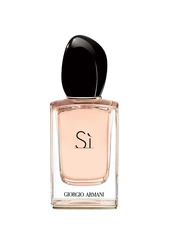


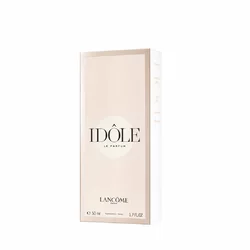








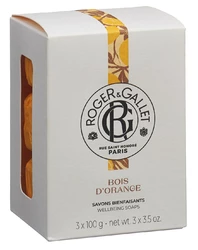





Perfumes & Fragrances – guide to scent families, safe use and practical tips
Perfumes and fragrances are cosmetic products subject to mandatory labeling and safety requirements. In Switzerland, regulatory practice aligns with European cosmetic rules, including ingredient disclosure and allergen declaration. Clear labeling helps consumers assess compatibility, particularly for individuals with known sensitivities.
Concentration and performance: Fragrance concentrations range from cologne and eau de toilette to eau de parfum and parfum/extrait. Higher concentrations contain more fragrance oil and generally offer greater longevity and projection. Lighter concentrations are often preferred for daily or workplace settings, while richer concentrations suit evening wear or special events.
Scent families and selection: Citrus and green accords provide freshness; floral notes convey classic softness; woody and oriental accords add warmth and depth. Understanding top, heart and base notes assists in predicting how a fragrance will evolve on the skin. Increasingly, gender-neutral compositions are widely available and suitable for varied preferences.
Safety and skin considerations: Fragrance ingredients may cause irritation or allergic reactions in susceptible individuals. A patch-test on the forearm before full application is a prudent measure. Ingredient lists often highlight substances such as linalool, limonene or citral when present above regulatory thresholds. For existing skin conditions, avoid applying fragrances to compromised skin and seek professional advice if adverse reactions occur.
Storage, samples and sustainability: Light, heat and air exposure can degrade perfumes; storing bottles in a cool, dark place preserves the scent. Sample sizes and trial vials allow evaluation before committing to full-size purchases. Refillable bottles and recyclable packaging are effective options for reducing waste.
Buying online and product information: Product pages should include full ingredient declarations, the product concentration, PAO (period after opening) information and allergen notes. For specific medical or dermatological concerns, consultation with a pharmacist or dermatologist is recommended to ensure safe use.


