

Accessories & Jewellery
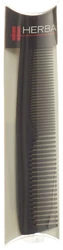
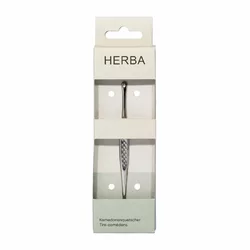


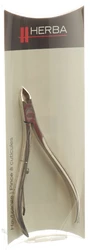

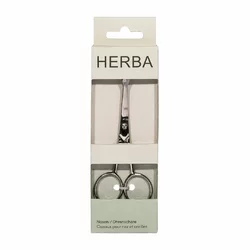
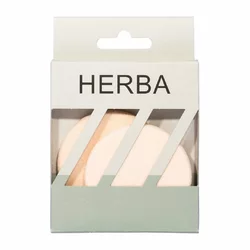
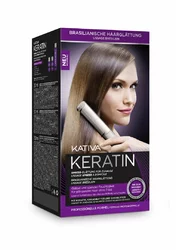
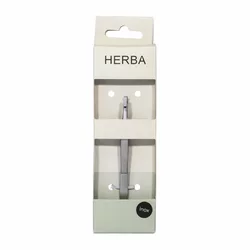
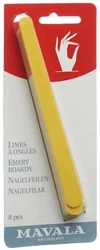
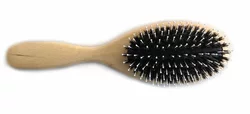
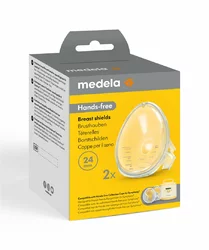

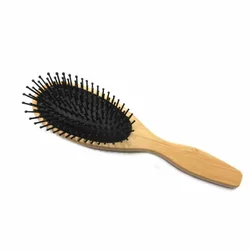
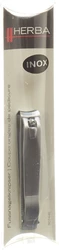
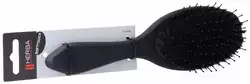

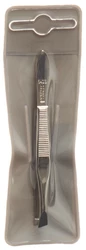
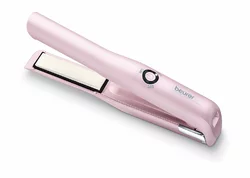
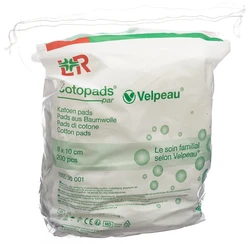
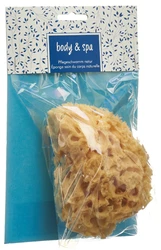
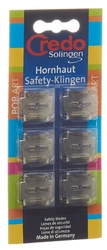
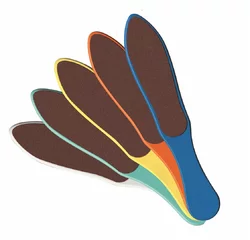
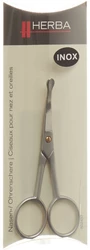
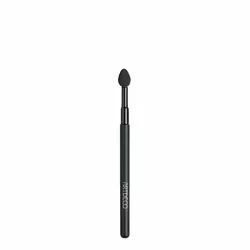
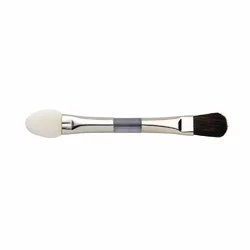
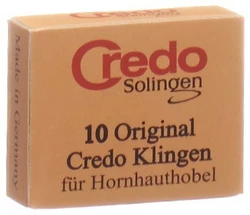
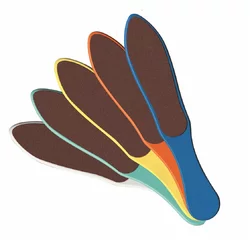
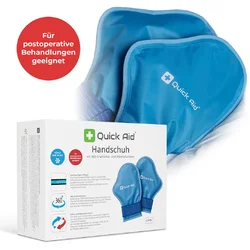

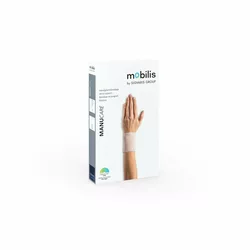
Accessories & Jewellery for daily use and wellbeing — quality, safety and professional guidance
Accessories and jewellery serve diverse roles: decorative, functional and occasionally health-related. Material selection is critical because certain metals and alloys can provoke contact dermatitis in sensitive individuals. Hypoallergenic options like titanium, surgical-grade stainless steel (316L) and medical-grade polymers are commonly recommended for reduced sensitisation risk.
Proper maintenance preserves appearance and hygiene. Routine cleaning with warm water and mild soap, careful drying and specific cleaners for silver or plated surfaces are generally appropriate. Abrasive cleaners should be avoided for coated or delicate finishes to prevent surface damage. For items worn during physical activity or in moist environments, more frequent cleaning is advisable to limit corrosion and skin irritation.
Some accessories—such as medical ID bracelets, devices that store health information or jewellery with integrated electronic components—may fall under medical device regulations depending on their function and labelling. Verification against Swiss and EU regulations is advised; pharmacies can assist in assessing whether an item requires classification or special instructions. Electronic or implantable components require detailed specification checks and possibly clinical consultation.
Transparency of product information supports safe selection: indicate composition, hypoallergenic status, cleaning guidelines, any relevant certifications and whether the item may be classed as a medical device. Sustainability considerations, including use of recycled metals and repairability, are increasingly relevant. For digital categorisation and advertising feeds, include structured attributes such as material, allergy suitability, care instructions, regulatory notes and certification status to facilitate accurate consumer guidance and compliant communication.


