

Dermatology & Skin Care


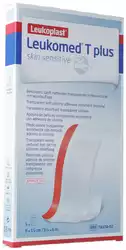
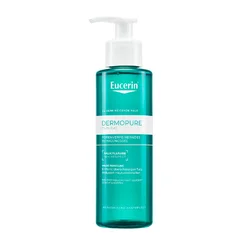
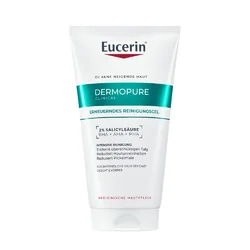
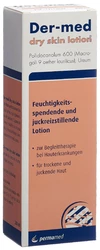
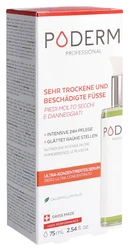
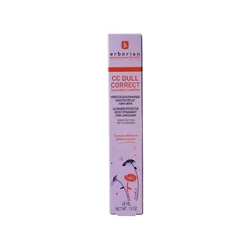
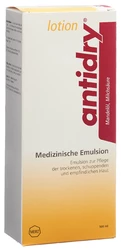
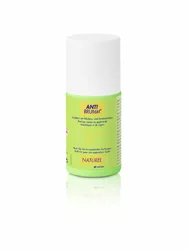
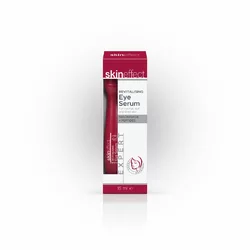
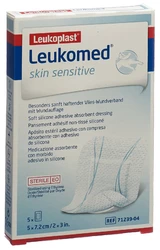
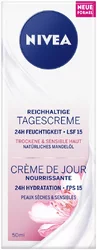
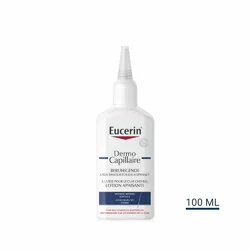

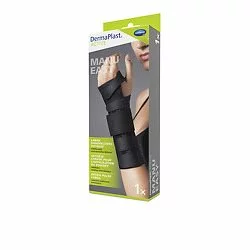
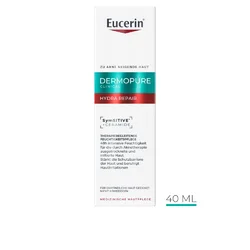
Dermatology: Professional skin-care products and practical guidance
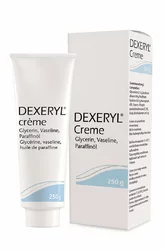
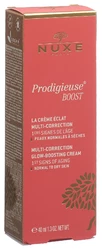
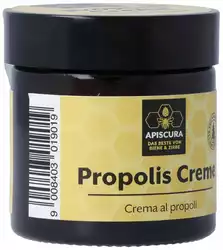
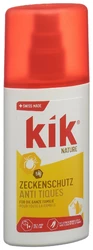
Dermatology encompasses a wide range of products aimed at preserving skin health: emollients, moisturisers, topical agents and sunscreens. Dermocosmetic formulations often combine hydrating ingredients (hyaluronic acid, urea), soothing compounds (niacinamide, panthenol) and tested UV filters. It is important to differentiate cosmetic products, intended for general care and appearance, from medicinal products used to treat specific skin conditions and regulated by authorities such as Swissmedic.
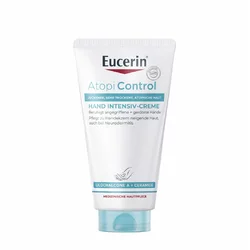
Product selection should consider phototype, sensitivity, age and medical history. Sensitive skin benefits from fragrance-free, hypoallergenic formulations; atopic skin typically requires lipid-rich emollients to restore the skin barrier. Appropriate sunscreen use is a cornerstone of preventing photo-induced skin damage. For conditions requiring medication, pharmacy personnel can advise on over-the-counter options and refer to a dermatologist when specialised treatment is needed.
Safety and tolerability are paramount. Before introducing a new active ingredient, a patch test on a small skin area is advisable. Potential interactions with systemic medications, pregnancy and breastfeeding should inform product choice. Storage conditions, expiry dates and manufacturing instructions influence product stability and efficacy; products should be kept protected from heat and sunlight.
Practical advice: follow application guidelines for frequency and amount, observe local skin reaction signs, and seek clinical evaluation for worsening or persistent lesions. The aim of this section is to deliver clear, reliable information to support the safe and informed use of dermatology products in Switzerland, aligned with pharmacy standards and professional healthcare guidance.


