

Condoms








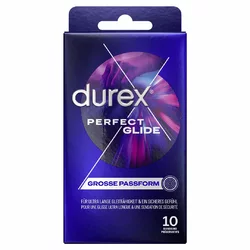
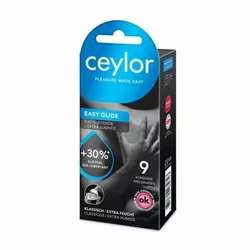



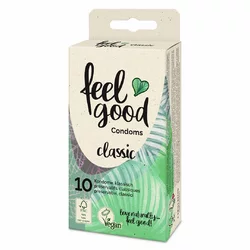


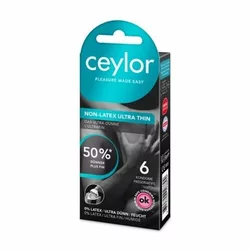
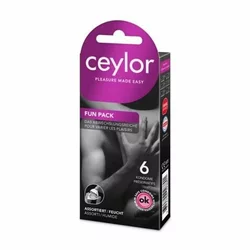
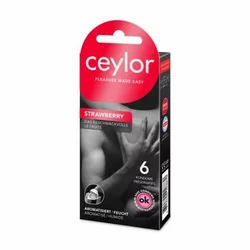


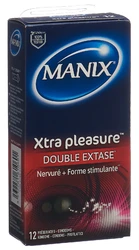

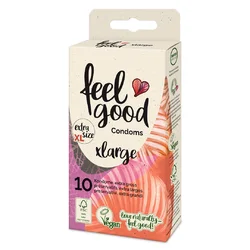
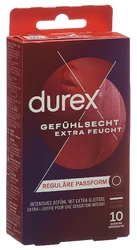
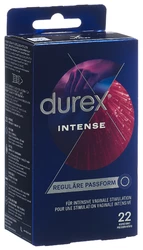

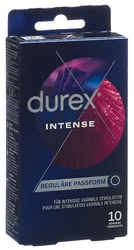

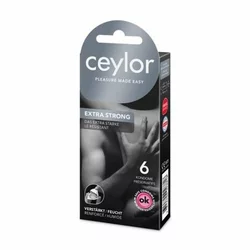

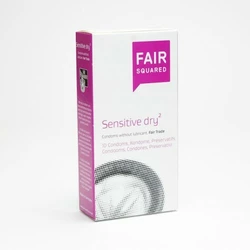
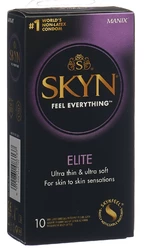

Condoms — Types, materials and safe usage guidance
Condoms serve as a barrier method to lower the chance of unintended pregnancy and to reduce transmission of sexually transmitted infections (STIs). In the Swiss pharmacy context, product selection emphasises tested quality: CE marking, conformity with relevant ISO standards (for example ISO 4074 for male latex condoms), clear labelling and expiry information.
Materials and options: Common materials include natural rubber latex, polyisoprene and polyurethane. Latex condoms are elastic and durable; for individuals with latex allergy, latex-free options are available. Polyisoprene offers similar elasticity to latex without latex proteins; polyurethane conducts heat well and may be suitable where oil-based lubricant compatibility is required, though it is generally less elastic.
Usage and safety: Proper application, storage and lubricant compatibility are key. Inspect packaging integrity prior to use and follow the manufacturer’s instructions. Oil-based lubricants can degrade latex and should not be used with latex condoms; water- or silicone-based lubricants are suitable. Store condoms in a cool, dry place away from direct sunlight. Verify the expiry date; damaged or expired products should not be used.
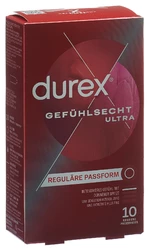
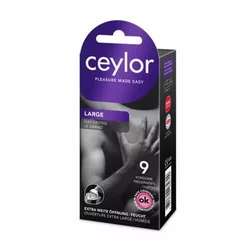
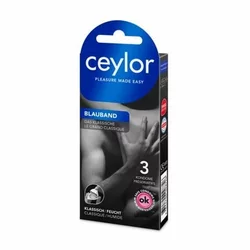
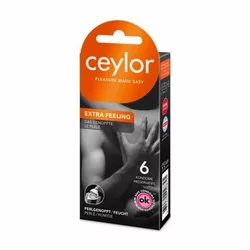
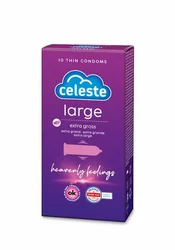
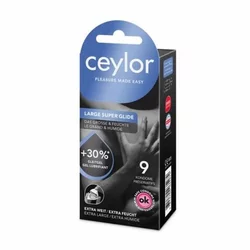
Sizes and variants: Condoms are available in different nominal widths, lengths and shapes as well as surface textures (ribbed, dotted) and thicknesses. Correct sizing improves both safety and comfort—undersized condoms are at higher risk of breakage, oversized ones may slip. Female condoms provide an internal barrier option and may be preferred in certain circumstances.
Regulatory and practical considerations: Manufacturers must provide information on composition, certifications and expiry. In Switzerland, pharmacies offer guidance consistent with health recommendations. For questions related to material sensitivities, interactions with medications or specific health conditions, professional advice in a pharmacy or from a healthcare provider is recommended.
Summary: Choosing an appropriate condom depends on material tolerance, comfort and verified quality. Pharmacy-level products combine certified safety with clear usage instructions and access to professional counsel if needed.


