

Amino acids
The true building blocks of your life
What are amino acids?
Amino acids are small organic molecules characterised by the simultaneous presence of an amino group and a carboxyl group. They are the elemental building blocks of proteins and form chains of varying length when linked together. Depending on how long these chains are and the order of the individual amino acids, different proteins with specific properties are produced.
The arrangement of amino acids is not random but encoded in genetic information. Specific combinations of nucleic acids in DNA determine the order in which amino acids are assembled. In this way peptides and proteins are formed, whose structure largely determines their function.
Chemically speaking, the so‑called α‑amino acids are particularly relevant for humans. Around 20 of these are proteinogenic, meaning they can be incorporated into proteins. The L‑form plays a special role as it is used in protein synthesis. There are also non‑proteinogenic amino acids such as GABA, ornithine or L‑thyroxine. They are not components of proteins but fulfil other biological roles, for example as neurotransmitters or metabolic intermediates.
editorial.facts
- The amino acid with the simplest structure is glycine. In this amino acid the side chain consists of only one hydrogen atom.
- There are only 21 amino acids from which proteins are built. From these amino acids about 100'000 different proteins can be formed.
- The daily requirement of amino acids in small children is approximately 90 % higher than in adults.
- About 14 to 18 % of the body of a healthy, lean adult consists of proteins.
- A cell can produce proteins very quickly if all essential and non‑essential amino acids are present in sufficient amounts. This ability is already programmed in the cell's genetic material.
What types of amino acids are there?
Amino acids involved in protein formation are divided into three main groups: essential, semi‑essential and non‑essential amino acids.
Essential amino acids cannot be produced by the human body and must therefore be obtained entirely from the diet. This group includes eight representatives: isoleucine, leucine, lysine, methionine, phenylalanine, threonine, tryptophan and valine. Some classifications also include histidine, which is especially important for infants. Each of these amino acids has specific roles, for example in building tissues, regulating metabolism or producing hormones and neurotransmitters.
Non‑essential amino acids are produced by the body itself. These include alanine, asparagine, aspartic acid, glutamic acid, glutamine, glycine, proline and serine. They perform important functions, for example in energy metabolism, in nervous system signalling, in detoxification or in the formation of structural proteins such as collagen.
Semi‑essential amino acids occupy an intermediate position. These include arginine, histidine, cysteine and tyrosine. Under normal conditions the body can synthesise them, but in certain life stages or under stress endogenous production may be insufficient. Pregnant women or people with certain illnesses therefore often require additional dietary intake.
The biochemical form of amino acids also matters: they exist in L and D variants, and only the L‑form can be utilised by the human body. That is why it is important that supplements contain the correct structure.
Wie decken Sie heute Ihren täglichen Bedarf an Aminosäuren?
What do amino acids do in the body?
Amino acids take on a wide range of tasks in the body because, as proteins, they are involved in central processes. For example, they form transport molecules that carry vital substances to their destination, such as transferrin for iron, LDL for cholesterol or haemoglobin, which binds oxygen and transports it through the bloodstream.
Amino acids also serve as structural building blocks: collagen provides stability to bones, cartilage, tendons and ligaments, while keratin gives strength to hair and nails. Movement would also be impossible without certain proteins, since motor proteins like myosin and actin control muscle contraction and set the cilia in the airways in motion to clear mucus.
In addition, amino acids play further key roles: they enable the synthesis of hormones such as insulin or glucagon, form the basis for numerous enzymes and support the immune system by producing antibodies. They also regulate processes such as gene activity, support collagen formation for skin and tissue, and participate in detoxification via sulphur‑containing compounds.
In specific metabolic pathways they are precursors to signalling molecules such as serotonin, which influences mood, or melatonin, which regulates sleep rhythm. They also provide energy during periods of intense exertion or prolonged fasting by being converted into ketone bodies. Some amino acids, like cysteine, are involved in antioxidant protection systems, while others, like histidine, ensure the function of certain enzymes.
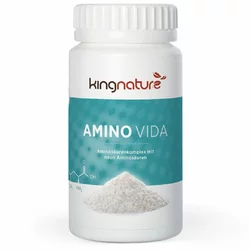


Can essential amino acids help with weight loss?
Essential amino acids are not a miracle cure for weight loss. While L‑carnitine and other amino acids are often associated with increased fat burning, scientific studies show that additional supplements do not reliably produce this effect. L‑carnitine is already present in many foods and is synthesised by the body, so any excess is excreted in the urine.
Still, amino acids can play a supportive role: they are involved in energy metabolism, can influence hunger and help preserve muscle mass, which is important because more muscle tissue increases calorie expenditure. The basis for weight loss remains a healthy diet and regular exercise. Amino acids can at most accompany this process, but not replace it.
What role do amino acids play for athletes?
For athletes amino acids play a key role because they are directly involved in recovery and performance enhancement. During intense effort, tiny injuries occur in muscle fibres that must be repaired during the recovery phase. This is where amino acids come in: they support the rebuilding of muscle tissue, speed up healing of micro‑tears and promote the formation of new protein structures that provide strength and stability.
They also help to replenish the energy stores depleted during training and dampen inflammatory processes that can arise from high loads. Certain amino acids such as leucine, glutamine or arginine are particularly effective because they stimulate muscle protein synthesis, stabilise the immune system, improve circulation and more rapidly supply muscles with the nutrients they need.
Amino acids are important not only in strength training but also in endurance. They help prevent muscle breakdown, enhance endurance performance and restore glycogen stores more quickly. Especially during extreme loads, such as long competitions or intensive training sessions, targeted amino acid supply can be a decisive factor in delaying fatigue and shortening recovery time.
How does an amino acid deficiency present?
An amino acid deficiency can manifest in various ways and affect both body and mind. It often first appears as muscle weakness and muscle loss, because the body lacks the building blocks needed for maintenance and repair. Skin and hair are also sensitive: dry, cracked skin or increased hair loss can be signs of deficiency.
Fatigue, reduced tolerance to physical stress and difficulties in recovery after exertion often occur. A weakened immune system, increased susceptibility to infections and slower wound healing are also typical consequences. On a mental level, mood swings, lack of drive, concentration problems and sleep disturbances may occur, since amino acids are involved in the production of neurotransmitters in the nervous system.
How to benefit from amino acids: useful tips
- Combine plant protein sources deliberately. For example, complement rice with pea protein or lentils with bread. This balances limiting amino acids and achieves a complete amino acid profile.
- Use pseudocereals such as quinoa or amaranth. These foods contain ample lysine, which is often lacking in common cereals.
- Include legumes regularly in your meal plan. Whether lentils, beans or chickpeas – they provide not only proteins but also fibre, which supports healthy digestion.
- Choose protein‑rich snacks! A boiled egg, a piece of cheese or a soy yoghurt provide high‑quality amino acids, for example. This way the important building blocks for muscles and metabolism reach your body quickly and easily.
- Pay attention to the amino acid index. Foods such as cow's milk, eggs or chicken breast are characterised by high quality because they are particularly digestible and well utilised by the body.
- Opt for protein‑rich breakfast options. Oat flakes with soy milk or quinoa bowls offer an ideal start to the day. They provide not only proteins but also valuable micronutrients such as magnesium and vitamin B6.
- Prefer high‑quality organic products. Whether you choose meat, fish, eggs or plant‑based protein sources: organic products ensure you take up amino acids without unwanted residues.
- Also integrate green vegetables into your diet. Spinach, broccoli or peas are not only rich in vitamins but also contain amino acids.
- If you have little time or train intensively, amino acids in powder or capsule form can be a sensible supplement. This avoids the long digestion processes of a complete meal.
- For intensive training, consider BCAAs (branched‑chain amino acids). These three amino acids – leucine, isoleucine and valine – support protein synthesis and protect muscle tissue from breakdown. In strength training, BCAAs are therefore a useful supplement for muscle growth.
- Recognise deficiency symptoms early. Watch for signs such as fatigue or decreased muscle strength. In case of doubt, an amino acid analysis can clarify whether your supply is sufficient.
- Take advantage of tryptophan's mood‑lifting effect. This amino acid promotes the formation of serotonin and melatonin, which can benefit mood and sleep. Nuts, seeds and oat flakes are particularly rich in tryptophan.
- Plan your protein intake according to needs. Daily requirement is about 0.8 g of protein per kilogram of body weight. A 70 kg person, for example, needs at least 56 g of protein to cover their amino acid needs.
Amino acids are fundamental building blocks of life. They are linked by peptide bonds, which form the basis of all protein structures. A conscious supply promotes recovery, energy and long‑term health.