Scalp
The foundation of healthy hair
editorial.overview
Unhealthy scalp: what’s behind it?
When the scalp falls out of balance, it usually shows it clearly: itchiness, dandruff, a feeling of tightness or even hair loss are among the most common warning signs. Often a disrupted sebum production is the cause – either the scalp produces too little oil and dries out or it overcompensates and releases too much oil.
With dry skin, fine white flakes form and easily tumble out of the hair, while oily scalps show larger, sticky flakes that cling to the roots. An over‑treated or irritated skin barrier can also disturb the natural equilibrium. Giving the scalp targeted attention can bring noticeable relief with suitable, gentle care.
Welche dieser Kopfhautprobleme kennen Sie aus eigener Erfahrung?
Which conditions lead to an itchy, dry scalp?
An itchy, dry scalp is not only unpleasant but can also indicate various skin conditions. A typical trigger is psoriasis. It appears as thick, silvery‑white scales and reddened, often intensely itchy patches – also at the hairline. Another common cause is atopic dermatitis (eczema). In this chronic inflammatory condition the skin becomes extremely dry and very itchy.
Seborrheic eczema is also common. It presents with yellowish, greasy flakes and redness, especially in sebum‑rich areas such as the scalp. Fungal infections (Tinea capitis) can also cause irritation, producing scaly, inflamed patches and sometimes hair loss.
Less known but not uncommon are contact allergies, for example to fragrances or preservatives in shampoos or other hair products, which can cause irritation. Head lice or other parasites can also produce intense itch, redness and tiny wounds.
In all these cases a targeted treatment is important, because only when the cause is known can the scalp really be relieved.
editorial.facts
- Our scalp ages up to six times faster than facial skin. Causes include UV rays, environmental toxins, heat styling or chemical hair treatments. The result: the skin loses elasticity, retains less moisture and impairs hair growth – hair can become thinner, weaker and even grey.
- Researchers have found that hair follicles have special olfactory receptors – including one that responds to sandalwood. When activated, it can stimulate cell growth and slow hair loss. This shows that scents influence not only mood but possibly also the health of our scalp.
- Especially with thinning or fine hair the scalp is unprotected from UV exposure – and can burn like any other skin area. A sunburn at the parting can be painful and damage hair follicles in the long term. A specific UV spray or head covering offers effective protection here.
Are there home remedies for an itchy, dry scalp?
When the scalp itches, feels tight or dry, many tried‑and‑tested home remedies can help naturally and relieve symptoms. Particularly plant oils such as olive, coconut, jojoba or argan oil are considered effective moisturisers for a dry scalp. Peppermint oil is also a popular option: it has a cooling, circulation‑boosting effect and can reduce itch. Simply massage in a few drops, leave on overnight and wash out in the morning with a mild shampoo. This soothes the scalp and noticeably reduces itching.
A splash of lemon juice in the shampoo or a hair treatment with egg yolk can also strengthen the scalp’s natural acid mantle. Those who prefer something different can try a rinse with apple cider vinegar.
Traditional mixtures such as quark with honey or fermented rice water are also regarded as home‑tips. They soothe irritated areas, provide moisture and have anti‑inflammatory effects, provided the scalp is not injured or severely inflamed.
However, not every home remedy suits every scalp. People with sensitive skin or allergies should test new applications cautiously and, if in doubt, opt for proven scalp care products from the pharmacy.
Can nutrient deficiency contribute to an itchy scalp?
Yes, more often than you might think. An unbalanced diet can affect not only the appearance of the skin or hair but also the scalp directly. If the body lacks important vitamins and minerals, the scalp often suffers too.
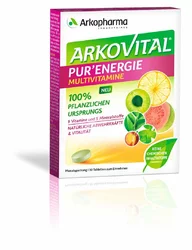
A deficiency of biotin, zinc, iron or vitamins A, D and E can particularly lead to a dry, scaly or irritated scalp. These nutrients are essential for cell regeneration, sebum production and the skin’s protective function. If the scalp is not adequately supplied with them, it loses its natural resilience. Itchiness and a feeling of tightness are often the result.
To do good for your scalp, aim for a varied, nutrient‑rich diet. Plenty of fresh vegetables, healthy fats, whole grains and adequate fluids form the basis for healthy skin – from head to toe.
Can stress lead to an itchy scalp?
Absolutely – the scalp often reacts more sensitively to stress than many people expect. When nerves are frayed, this often shows at the hairline. The scalp itches, tightens or flakes.
Emotional stress throws the whole body off balance, which also affects the skin. Sebum production can be disturbed, inflammatory processes promoted and skin regeneration slowed down.
Existing skin problems such as atopic dermatitis or psoriasis can also worsen during stressful periods. Therefore it is worthwhile not only to focus on external care but also to take internal triggers seriously. A relaxed mind can work wonders for an irritated scalp.
Can an itchy scalp cause hair loss?
When the scalp itches and the hair thins at the same time, it is not a coincidence. Itch and hair loss often occur together, especially in hormonally related hair loss, known as androgenetic alopecia. The reason is usually so‑called micro‑inflammations around the hair follicles. These are not visible from the outside but can sensitise the skin and damage the hair root over time.
Other conditions such as seborrheic dermatitis or psoriasis can also explain this connection. Both are accompanied by severe itch and inflammatory reactions of the scalp, which put stress on the hair roots.
If the sensitive scalp is persistently irritated, disturbed or inflamed, it can throw the natural hair cycle out of rhythm.
Healthy scalp: what to bear in mind now
- Don’t wash your hair too often. Daily washing can damage the scalp’s natural protective barrier. Especially with dry or sensitive skin, it is advisable to wash hair only every second or third day. This gives the scalp time to regenerate.
- Hot water strips the scalp of valuable oils and moisture. Wash your hair with lukewarm water instead to avoid irritation. This protects the skin and prevents dryness.
- Residues of shampoo, conditioner or hair mask can irritate the scalp. Make sure to rinse all products thoroughly with water. This prevents itch and skin irritation.
- Hot hair‑dryer air can further dry out the scalp. Give your hair a break now and then and let it air dry. This relaxes the scalp and reduces heat damage.
- Massage your scalp while washing. A gentle massage with the fingertips promotes circulation and helps care products work better. At the same time you remove dead skin flakes. This small gesture can greatly contribute to scalp health.
- Choose combs or brushes with rounded bristles to avoid injuring the scalp. Brushing too hard or too often can irritate sensitive skin. Pay attention to the right choice of hair tools.
- Try a hair treatment with natural oils. Olive, coconut or jojoba oil can provide soothing moisture to a dry, itchy scalp. Massage a few drops into the scalp and leave the oil on overnight. Rinse thoroughly the next day – for a noticeably more comfortable skin feeling.
- Opt for mild, non‑irritating hair care. Products without alcohol, silicones or fragrances are gentler on a sensitive scalp. Prefer shampoos with skin‑friendly ingredients – ideally matched to your hair type. For sensitive skin, a soothing scalp fluid that supplies moisture and relieves tension is especially recommended after washing or for acute itch.
- Use apple cider vinegar as a natural rinse. A mix of apple cider vinegar and water can work wonders for an itchy, oily scalp. The mixture helps regulate pH, soothes the skin and adds shine to the hair. It is particularly effective after washing, when the scalp is clean and receptive. Simply leave the rinse on after washing, without rinsing it out.
- Care for your scalp with aloe vera. Aloe vera gel provides intensive moisture and soothes. It contains valuable vitamins and trace elements as well as skin‑caring active ingredients that support regeneration. Ideal for dry, irritated or flaky scalps.
- Protect your scalp from sun and cold. Wear a hat in summer or use sunscreen suitable for the scalp. In winter a beanie protects against cooling and drying caused by heated indoor air. This helps keep the delicate skin under the hair in balance.
- Avoid unnecessary styling products. Hairsprays, gels and dry shampoos often contain alcohol or other irritating substances. They can build up on the scalp and cause itch. Less is often more here.
- Eat nutrient‑rich foods. Vitamins such as A, C, D and B vitamins, and minerals like zinc and iron, strengthen the skin from within. A balanced diet with plenty of vegetables, fruit, nuts and whole grains can directly affect your scalp. This supports both scalp health and hair growth.
- Psychological stress can amplify inflammatory processes in the skin and trigger itch. Try to take regular breaks – with exercise, relaxation or enough sleep. Your scalp will benefit too.
- If home remedies and mild products don’t help, it’s advisable to seek dermatological assistance.
A healthy scalp is the foundation for strong, well‑groomed hair – and an important indicator of overall skin wellbeing. Regular attention means not only less itch and dandruff, but also better hair quality and more comfort in daily life. With the right care, conscious nutrition and some patience, the scalp’s natural balance can be supported in the long term.