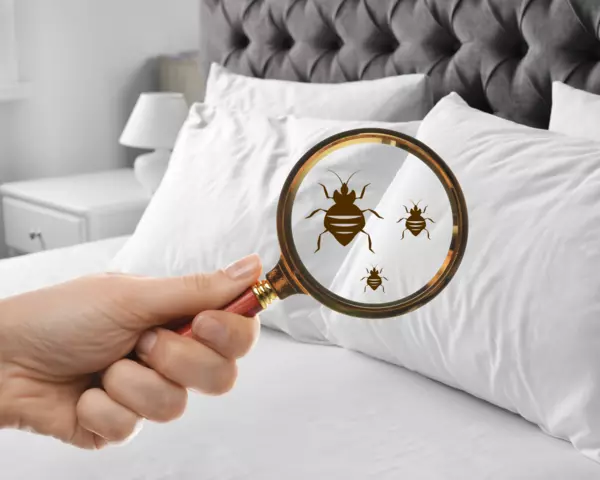
Pollen allergy
Enjoy spring without the itching
What is a pollen allergy?
Pollen allergy, also called hay fever, is a common allergic reaction of the immune system to flower pollen. These tiny particles serve plant reproduction and are spread either by wind or by insects. Very light pollen grains from wind-pollinated plants easily enter the airways and can trigger an immune reaction in sensitive people.
In people with pollen allergies, the immune system wrongly recognises otherwise harmless pollen as a threat and triggers a defensive response. Histamine and other inflammatory substances are released, causing various symptoms. Because hay fever is a type I allergy, reactions occur immediately after contact with the pollen.
Pollen allergies are seasonal and occur with varying frequency depending on region and time of year. Some people react to several types of pollen and may experience symptoms for several months. While most people suffer only in spring and summer, some plants release pollen already in winter or right through autumn, so some allergy sufferers may be affected almost all year round.
What are the symptoms of a pollen allergy?
A pollen allergy causes various symptoms that usually appear shortly after contact with the triggering pollen. Typical is so-called hay fever, which is characterised by frequent sneezing, a runny or blocked nose and itching and swelling of the nasal mucosa . If the eyes are also affected – for example by redness, itching, tearing and swollen eyelids – this is called allergic rhinoconjunctivitis.
In addition to these common symptoms, general symptoms such as headache, fatigue and a general feeling of illness may occur. In some cases people develop a cough or shortness of breath, especially if the allergy progresses to allergic asthma. Sleep disturbances are also possible, as a blocked nose and irritated airways make it difficult to sleep through the night.
The severity of symptoms often depends on the amount of pollen in the air. Some people additionally develop sinusitis or a middle ear infection. Another possible consequence is cross-reactions with certain foods, as some plant proteins are similar to pollen allergens and can also provoke allergic reactions.
editorial.facts
- If there are no allergies in the family, the risk for a child is about 5–15 percent. If one parent or a sibling is affected, it rises to 25–30 percent. If both parents are allergic, the risk increases to 40–60 percent, and with the same allergy even to 60–80 percent.
- If an expectant mother experiences stressful situations during pregnancy, the risk that the child will develop an allergy increases.
- Our immune system can be overreactive not only to pollen, but also to house dust, animal hair and foods.
- Around 150 gene variants are known that can predispose to allergies.
Which plants produce allergenic pollen?
Pollen are challenging for many allergy sufferers because different plants can cause different allergic reactions. There are many plant species whose pollen can cause allergies, and these pollens differ in strength and frequency.
Trees are particularly common triggers. Alder and hazel are among the first trees of the year to release pollen and have moderate to high allergenicity. Ash, which blooms from March to May, is also a strong allergen, mainly due to the large amount of pollen it produces. Birch pollen is considered particularly allergenic and affects a large portion of pollen allergy sufferers. There can also be cross-reactions with other tree species; for example, birch can also trigger reactions to apples or hazelnuts.
Grasses, especially sweet grasses such as rye, meadow grass and timothy, rank among the strongest pollen allergens. These grasses produce enormous amounts of pollen and are particularly active during their flowering period from May to July. Rye, one of the most aggressive allergens, releases up to 21 million pollen grains annually, worsening symptoms for many allergy sufferers. The high allergenicity of grasses often leads to cross-reactions involving other grass species.
Herbs such as ragweed and mugwort also trigger allergic reactions. Ragweed, which blooms in late summer, is highly allergenic and causes so-called autumn hay fever. Mugwort, which flowers from July to September, is also a strong allergen and can cause symptoms linked to foods like paprika or parsley.
Another risk comes from houseplants. Some, such as weeping fig and poinsettia, can cause skin rashes or breathing problems in allergy sufferers. These reactions are not always caused by pollen, but often by plant proteins that become airborne and attach to dust particles. Plants such as rubber trees and cacti can also cause similar problems.
Welche Art von Pollenallergie haben Sie?
Does hyposensitisation help against a pollen allergy?
Yes, hyposensitisation (specific immunotherapy) can provide long-term relief from pollen allergy symptoms. The immune system is gradually accustomed to the allergens to reduce the excessive reaction. The therapy usually lasts at least three years. Studies show that it can relieve sneezing, nasal congestion and itchy, watery eyes.
Treatment is possible both with injections (subcutaneous immunotherapy, SCIT) and with drops or tablets under the tongue (sublingual immunotherapy, SLIT). Both forms have proven effective. Improvement can occur in the first year, but the full effect usually develops after several years.
Hyposensitisation is suitable for allergies to grass, cereal, herb and tree pollens. Its advantage over other treatments is that it not only relieves symptoms but can also reduce the risk of secondary conditions such as allergic asthma or cross-allergies. However, it does not work equally well for all patients and in some cases symptoms persist or recur after treatment.
How is hay fever diagnosed?
The diagnosis of hay fever is usually made in several steps. First, the doctor asks the affected person about symptoms, medical history and possible family allergies. Based on this, the doctor decides which further tests are necessary.
A common diagnostic test is the prick test. A solution containing potential allergens is applied to the skin, usually on the forearm. With a fine needle the skin is slightly pricked at the application sites so that the substances can enter the body. If redness and swelling occur at the prick site, similar to a mosquito bite, this indicates an allergic reaction.
In addition to the prick test, a blood test can also be performed. The blood is examined for so-called IgE antibodies, which the body produces in response to a pollen allergy. A positive result indicates that an allergy to certain pollens may be present. This test has the advantage that it can be done when the prick test is not advisable due to acute skin irritation or medication.
In some cases a provocation test is also carried out, in which allergen extracts are applied directly to the nasal or eye mucosa. If the person then develops symptoms such as sneezing or a runny nose, this indicates an allergic reaction. All these tests help secure the diagnosis and plan appropriate treatment.
What helps with hay fever: useful tips
- The most important thing is to avoid contact with the triggering allergens as much as possible. This reduces symptoms simply and without side effects.
- Check pollen forecasts and avoid being outdoors when pollen counts are particularly high. There are dedicated pollen forecast apps for this.
- Keep in mind that increased air pollution can raise the allergenicity of pollen when you are outside. This applies to heavily trafficked roads and is also typical of high-pressure weather conditions.
- Avoid outdoor physical exercise during times of high pollen count.
- Keep vehicle windows closed and use a pollen filter in the ventilation or air conditioning. This helps keep pollen exposure as low as possible. Replace filters regularly.
- In rural areas ventilate rooms between 6 pm and midnight, and in the city in the morning from 6 to 8 am. At these times pollen concentration is lowest. Sleep with windows closed.
- Be mindful of factors such as cigarette smoke and chlorinated pool water, which can worsen hay fever symptoms.
- Wear sunglasses instead of contact lenses if the conjunctiva is irritated by pollen.
- Wipe smooth floors daily with a damp cloth. For vacuuming prefer devices with a HEPA filter (High Efficiency Particulate Air filter). Wipe furniture with a damp cloth.
- Change your bed linen as often as possible and avoid changing clothes in the bedroom.
- Do not dry your laundry outdoors during the pollen season so that pollen do not land on the clothing.
- Wash your hair before going to bed or brush it thoroughly to avoid bringing pollen into bed.
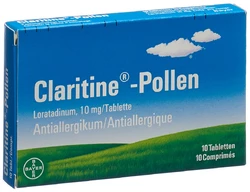
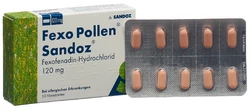
- During pollen season use a decongestant nasal spray only for short periods and take an anti-allergic regularly. For severe rhinitis take antihistamines or other suitable medications to obtain relief and reduce the allergic reaction to pollen.
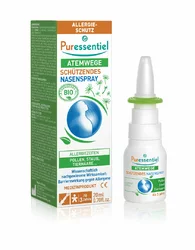
- As a supportive measure, nasal irrigation with isotonic saline solution can be used.
- Take even mild hay fever symptoms seriously. Timely prevention and treatment contribute significantly to preventing the pollen allergy from worsening over time.
A pollen allergy can be burdensome, but with targeted treatment and simple measures symptoms can be well controlled. Quality of life during the allergy season can thus be substantially improved.